Get Drainage Culvert Installation in Longmont, CO
Drainage culvert installation services help property owners in Longmont, CO, and nearby areas prevent flooding, manage stormwater runoff, and support driveway or yard drainage projects by connecting with experienced local contractors.
Property owners in Longmont, CO, who are planning landscape improvements or managing drainage concerns often find that installing a drainage culvert can be an effective solution. Properly designed and installed culverts help direct water flow, prevent flooding, and protect the integrity of driveways, lawns, and foundations. If you’re exploring options to improve water management on your property, understanding the benefits of professional culvert installation can be an important step in your planning process.
To ensure the best results, it’s helpful to compare local contractors experienced in drainage culvert services. Skilled service providers can assess your property’s specific needs, recommend suitable solutions, and handle the installation with attention to local regulations and site conditions. Continuing to explore your options can lead to finding the right professionals to support your property’s drainage and long-term stability.
- Drainage culvert installation - needed when managing stormwater runoff in neighborhoods with poor natural drainage.
- Drainage culvert replacement - required if existing culverts become damaged or blocked, causing flooding or erosion.
- Underground culvert installation - essential for directing water beneath driveways or roadways in areas like Longmont's residential zones.
- Culvert repair services - necessary to fix leaks, cracks, or collapses that threaten property foundations or landscape stability.
- Drainage system upgrades - advised when improving drainage capacity to prevent water accumulation during heavy rains.
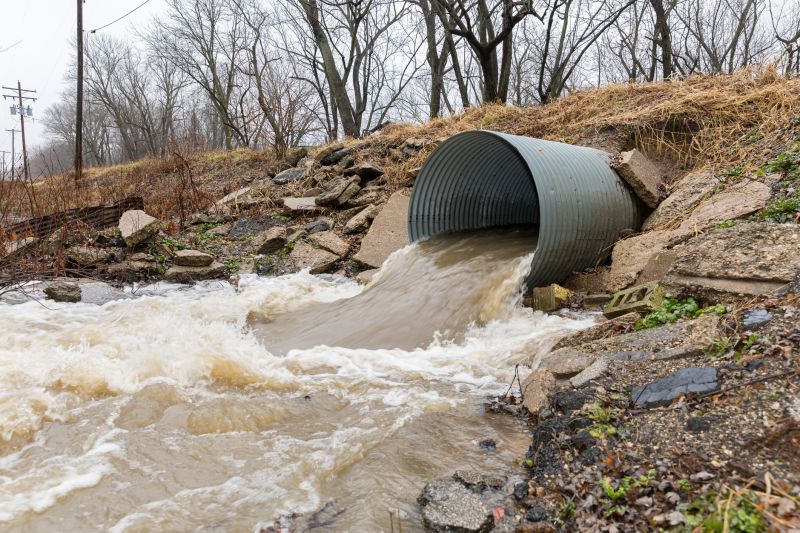
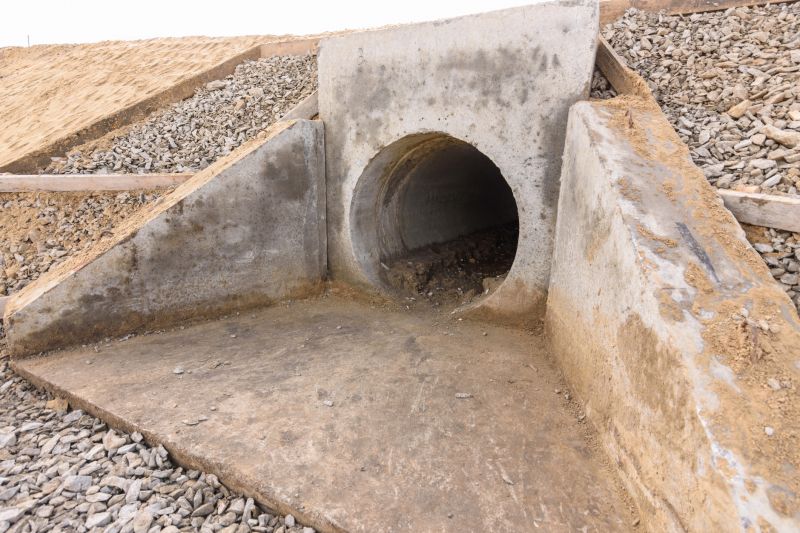
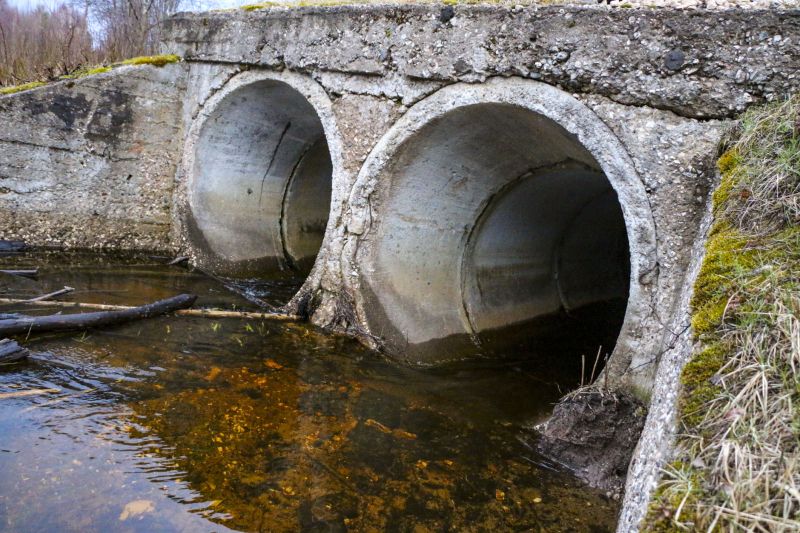
Drainage culvert installation involves setting up a durable conduit system beneath the ground to effectively redirect excess water away from a property. This service typically includes excavating the area, laying pipes or other drainage materials, and ensuring proper grading so water flows smoothly through the culvert and away from foundations, driveways, or landscaping. Proper installation helps prevent water from pooling or seeping into unwanted areas, reducing the risk of damage caused by standing water or erosion.
Many property owners turn to drainage culverts to address persistent issues with water runoff, especially during heavy rains or snowmelt. Excess water can lead to flooded yards, soggy lawns, or even foundation problems if it accumulates near the structure. Installing a culvert provides a controlled pathway for water to escape, helping to maintain landscape integrity and protect the property's structural stability. This service is particularly useful in areas with uneven terrain, poor natural drainage, or where existing drainage systems are inadequate.
Properties that commonly use drainage culvert installation include residential homes, especially those with sloped yards or low-lying areas prone to flooding. Commercial properties, such as parking lots and industrial sites, also benefit from culverts to manage large volumes of runoff and prevent water-related disruptions. Additionally, farms and rural properties often rely on culverts to maintain access roads and manage water flow across fields, ensuring operational continuity during adverse weather conditions.
Homeowners experiencing frequent pooling, erosion near foundations, or water damage after storms may find drainage culvert installation to be a practical solution. It’s also a suitable choice for those planning landscaping projects that require effective water management or need to improve existing drainage systems. Local contractors who specialize in drainage solutions can assess a property’s specific needs and recommend the appropriate type of culvert, ensuring proper installation to handle local weather patterns and terrain conditions.
The overview below groups typical Drainage Culvert Installation projects into broad ranges so you can see how smaller, mid-sized, and larger jobs often compare in Longmont, CO.
In many markets, a large share of routine jobs stays in the lower and middle ranges, while only a smaller percentage of projects moves into the highest bands when the work is more complex or site conditions are harder than average.
Smaller Repairs - Typical costs for minor drainage culvert repairs in Longmont range from $250 to $600. Many routine fixes fall within this range, covering tasks like patching or minor adjustments. Larger or more complex repairs can sometimes reach $1,000 or more.
Standard Installation Projects - Installing new drainage culverts for standard residential properties usually costs between $2,000 and $4,500. Most projects in this category fall into this middle range, depending on the length and complexity of the culvert needed.
Full Replacement - Replacing an existing culvert entirely can typically cost from $4,500 to $8,000. Larger, more involved replacements, especially those requiring significant excavation or customization, can go beyond this range.
Complex or Large-Scale Projects - Extensive drainage systems or custom installations in Longmont can exceed $10,000, with some large projects reaching $20,000+ depending on scope and site conditions. These are less common but represent the upper end of typical project costs.
Actual totals will depend on details like access to the work area, the scope of the project, and the materials selected, so use these as general starting points rather than exact figures.
Stormwater Drainage Projects - local contractors handle stormwater management systems that require similar planning, excavation, and installation skills as drainage culverts.
Erosion Control Installations - these projects involve installing structures to prevent soil erosion, utilizing similar tools and site assessment techniques as culvert installation.
Roadway Drainage Systems - designing and installing drainage solutions for roads and highways involves comparable planning and underground installation expertise.
Waterway Crossings - constructing crossings over streams or small rivers requires similar excavation, pipe placement, and environmental considerations as culvert projects.
Landscape Drainage Solutions - improving surface and subsurface drainage in residential or commercial landscapes involves comparable planning and installation methods.
Flood Control Infrastructure - building flood mitigation structures often involves similar site assessment, planning, and underground piping skills as drainage culvert work.
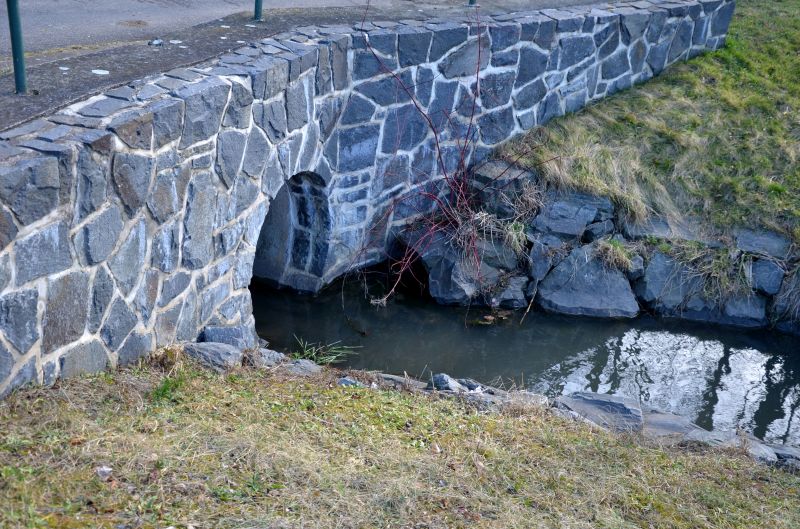
When evaluating drainage culvert installation services, it’s important to consider the experience of local contractors with similar projects. Homeowners should inquire about whether the service providers have a track record of completing culvert installations in properties comparable to their own, such as hillside homes, rural landscapes, or urban settings. An experienced contractor can demonstrate familiarity with local soil conditions, drainage challenges, and permitting requirements, which can contribute to a smoother project process and a more reliable outcome.
Clear, written expectations are essential when comparing options for culvert installation. Homeowners should seek detailed proposals or estimates that outline the scope of work, materials to be used, and the timeline for completion. Having these details in writing helps ensure that both parties have a shared understanding of what the project entails, reducing the potential for misunderstandings or surprises later on. It also provides a basis for comparing different service providers objectively.
Reputable references and good communication are key indicators of a dependable service provider. Homeowners are encouraged to ask local contractors for references from past clients who had similar drainage projects. Listening to feedback about the contractor’s professionalism, responsiveness, and quality of work can provide valuable insights. Additionally, effective communication-such as prompt responses to questions and clarity in explanations-can make the entire process more straightforward and less stressful. These qualities help ensure that the project progresses smoothly and meets expectations.
Property owners in Longmont, CO use Drainage Culvert Installation services for practical projects around their homes and businesses. This guide focuses on everyday jobs and straightforward project options.
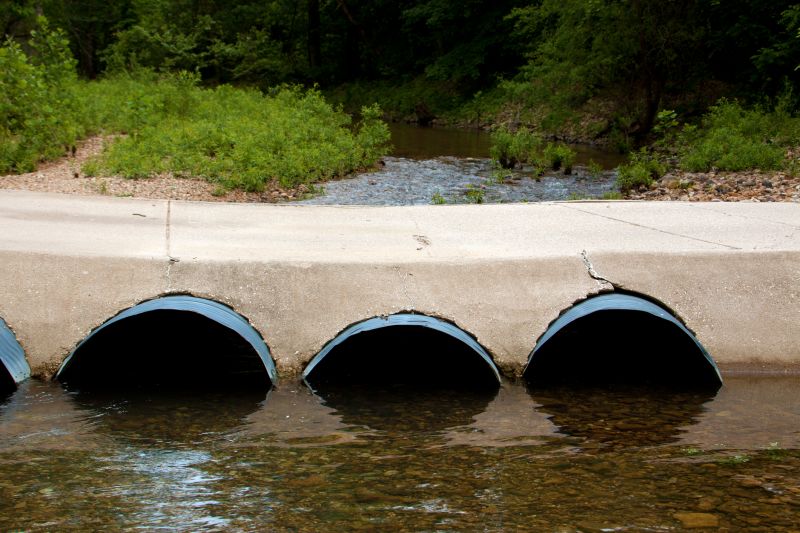
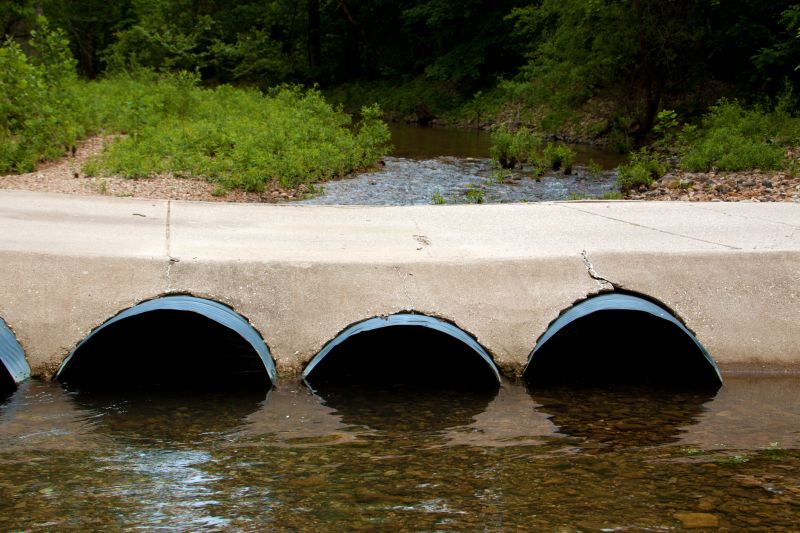
Drainage culvert installation services are often needed when property owners in Longmont, CO, face issues with standing water or poor drainage during heavy rainfalls or snowmelt. Whether a homeowner notices water pooling in their yard, near their foundation, or along their driveway, local contractors can evaluate the site and install culverts that help direct water away efficiently. These projects are common in areas with uneven terrain or where natural drainage patterns are disrupted, helping to prevent flooding and water damage.
Property owners may also seek culvert installation when planning for landscape improvements or driveway expansions. Properly installed culverts can improve the flow of runoff, reduce erosion, and protect landscaping investments. Local service providers are experienced in handling these projects, ensuring that drainage systems are designed and installed to meet the specific needs of Longmont properties. Connecting with local contractors can provide options tailored to the unique conditions of each property.
What is the purpose of a drainage culvert? A drainage culvert helps direct water away from properties, preventing flooding and erosion around Longmont, CO, and nearby areas.
What types of materials are used for drainage culverts? Common materials include concrete, corrugated metal, and plastic, chosen based on the project’s specific needs and site conditions.
How do I know if a drainage culvert is needed for my property? Local contractors can assess your property’s drainage patterns and determine if installing a culvert is necessary to manage water flow effectively.
What factors influence the installation process of a drainage culvert? Site conditions, culvert size, and water flow requirements are key factors that local service providers consider during installation.
Are drainage culverts suitable for both residential and commercial properties? Yes, drainage culverts can be installed for various property types to improve water management and prevent water-related issues.
Preventing Flooding - local contractors can install drainage culverts to direct excess water away from driveways and foundations during heavy rain.
Managing Stormwater - property owners can use culverts to improve water flow across yards and reduce pooling after storms.
Protecting Landscaping - drainage culverts help preserve gardens and lawns by controlling water runoff and preventing erosion.
Improving Drainage Systems - installing culverts can enhance existing drainage solutions to ensure proper water movement around the property.
If you are thinking about Drainage Culvert Installation for a property in Longmont, CO, this guide is meant to help you understand the work, the typical project types, and how different options might fit your plans.
When you are ready, you can use the quote form on this page to share a few details about your project. From there, local pros can review the basics and respond with options that match what you have in mind.